
Plants
There are a variety of plants you can grow and offer to your desert tortoise. See the list below of recommended native plants and list of toxic plants to avoid.
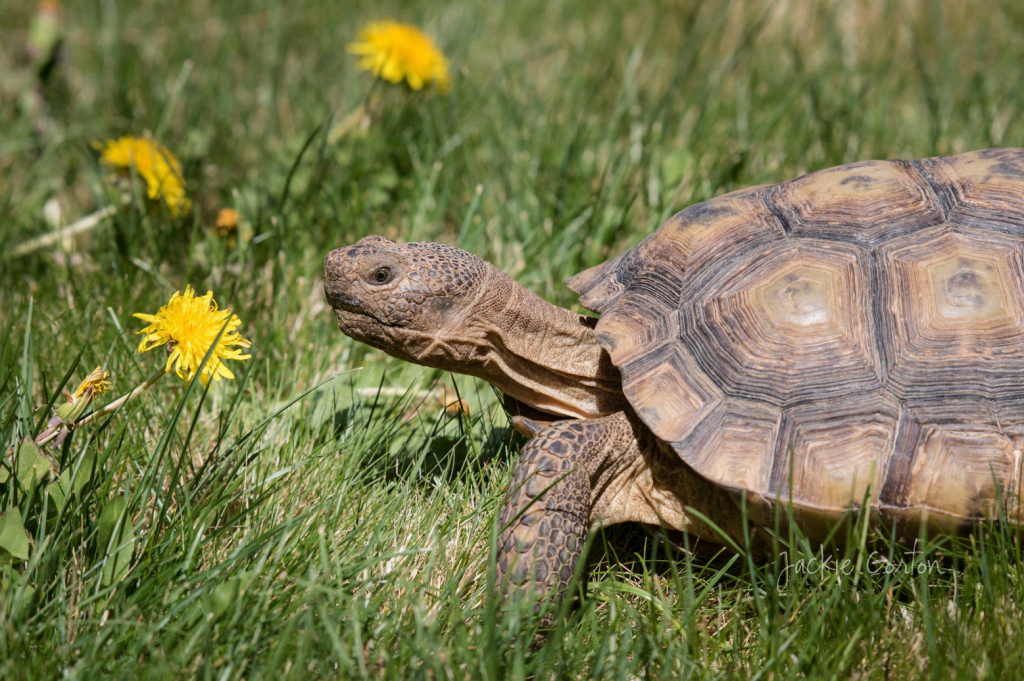
Plants to Grow for Desert Tortoises
There are a large number of native plants that you can grow for your pet desert tortoise. These plants provide your tortoise’s habitat with enrichment, protection from the sun and possible grazing options. See our complete plants list on this page under Plants, Food and Feeding Care Sheets.
Grasses
Bermuda Common -Bermuda is preferred, not hybrid.
Timothy Hay, Phleum pretense
Native Bunch Grasses, including:
- Side-Oats-Grama, Bouteloua curtipendula
- Blue Grama, Bouteloua gracilis
- Big Galleta, Pleuraphis rigida
Perennial Ornamentals
Ivy Geranium, Pelargonium pelatum, Has a trailing habit is within reach of tortoises.
Verbena, Verbena spp., White to purple
Gazania, Gazania spp., Somewhat spreading, large, daisy-like flowers, various colors
Hollyhock, Alcea rosea, Leaves and flowers
Primrose, Oenothera, species including:
- Mexican Evening Primrose, Oenothera berlandieri, Somewhat invasive, surrounded by several feet of dry soil
- Yellow Creeping Primrose, Oenothera stubbei, Somewhat invasive, surround
with several feet of dry soil (native of NM as AZ) - White Evening Primrose, Oenothera pallida,
- Tufted Evening Primrose, Oenothera caespitosa Fragrant white flowers, reseeds readily
Ground Clovers
White clover, Trifolium repens
Vines
Hall’s Honeysuckle, (Set base of trellis away from wall to make a shady place)
Grape, Vitis spp, Offer young leaves only, no fruit. Thompson Seedless preferred
Morning Glory, Ipomoea spp, Perennial vine. Large dark purple flowers, not in full sun
Trees
Elm, Ulmus spp.
Mulberry, Morus, spp., Offer young leaves only
Annuals
Petunia, Petunia hybrida
Nasturtium, Tropaeolum spp. Plant from seed.
Pansy, Viola spp.
Portulaca (Moss Rose) Portulaca grandiflora
Desert dandelion, Malacothrix glabrata
Desert marigold, Baileya multiradiata
Desert plantain, Plantago ovata
Paper flower, Psilotrophe cooperi
Sand Verbena, Abronia villosa
Shrubs
Desert Willow, Chilopsis linearis Tall open shrub, low branching, purple flowers spring through fall
Rose, Rosa, leaves and flowers
Hibiscus, Hibiscus Usually needs protection in winter. Large pot on patio usually works
Yellow Bells or Trumpets, Stenolobium (Tecoma) stans, Broad-leaf variety. Not a vine. Many large flowers, spring and summer, attracts hummingbirds.
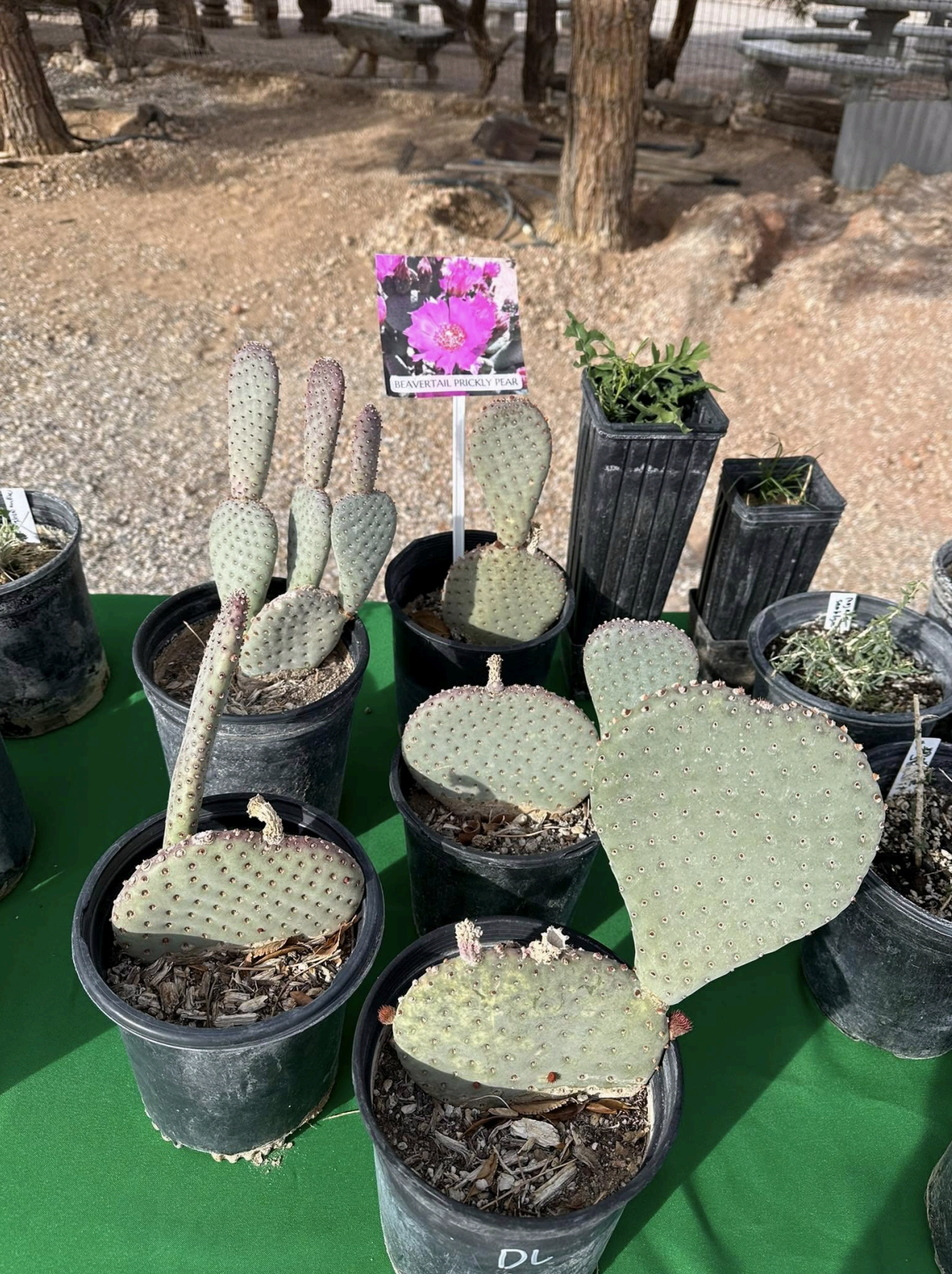
Spineless Cactus, Opuntia ficus-indica Offer new pads, only; flowers, fruit–prickly pears. Irrigate to produce new pads.
Globe Mallow, Sphaeralcea spp. Native. Spikes of coral-colored flowers early spring
Goosefoot Mallow, Sphaeralcea grossulariifolia
Wire Lettuce, Stepanomeria pauciflora
Winterfat, Ceratoides lanata, nutritious, silvery leaves, native
Weeds That May Volunteer in Your Yard
Dandelion, Taraxacum officinale An important food plant, especially for hatchlings
Filaree or Heron’s Bill, Erodium cicutarium germinates in winter, feathery leaves, tiny purple flowers
Spurge, Euphorbia spp appears in lawns in summer then disappears
Plants Poisonous to Tortoises
Many common plants are toxic, and keepers must make sure that their herbivorous chelonians are kept away from them. A simple step to take to minimize the risks to your turtles and tortoises is to learn the names of all the plants in your home and yard so that you can prevent any untoward contact with poisonous plants.
If you are unable to identify specific plants, your local nursery may be able to identify them for you. Be sure to note the correct spellings of both the common and the botanical names, and keep a list of the names for future use. If you do take plants to your nursery for identification, be sure to take a sufficient sample that represents the plant as a whole.
Toxic Plants – THESE ARE BAD FOR TORTOISES
Rhubarb, Rheum rhabarbarum, leaves
Tomato, Lycopersicon spp., only the leaves and plant are toxic
Chinaberry Tree, Melia azederach umbracalifera, leaves and fruit must be kept off irrigated grass
Oleander, Nerium oleander, leaves and flowers. Tortoises usually ignore what falls
Plant Toxicity Chart
The following list is a work-in-progress, based on CTTC’s poison plant list as published in the Tortuga Gazette 28(1): 8-10, January 1992 with periodic updates as more data becomes available. The list itself was based on the University of California Irvine, Regional Poison Center list of plants that are toxic or potentially toxic to humans. They recognize four levels of toxicity, indicated by a number following the plant name, and the four levels are explained below.
Note that the treatments recommended are for humans. Use your own best judgment in applying them to your pets. Initially, be sure to remove any remaining parts of the plant from the mouth. If any symptoms of abnormal behavior or signs of irritation in the mouth occur, seek prompt medical attention.
Explanation of Toxicity Levels
1. Oxalates
These plants contain irritating substances known as oxalate salts. Contact with the sap may cause burning, swelling and pain. Treatment: Rinse mouth, and if contact with skin, wash with soap and water. Observe for problems in swallowing and breathing, and increased drooling. Also check for irritation and swelling of mouth, lips, and tongue.
2. Toxic or Potentially Toxic
These plants can be toxic and should be considered with caution. May contain a wide variety of substances which cause ill effects to various organs. Toxicity can range from mild irritation to severe organ damage, depending on the plant. Treatment: Rinse mouth and dilute with fluids. Call the poison center for further recommendations.
3. Dermatitis
Contact with sap may produce a skin rash, itching, or irritation. Treatment: Wash skin with soap and water. If irritation persists, call the poison center or veterinarian. Be careful not to rub it into the eyes.
4. Unknown/Incomplete
Information is incomplete, but some data indicates that these plants may cause ill effects. Treatment: Rinse mouth. Dilute with fluids. Call the poison center for further information.
In some plants, the toxin is present only in a certain plant part, such as the seeds or the leaves, or some other part. In other plants, every part of the plant contains the toxin. It is always wise to err on the side of caution and avoid exposure. NEVER assume that your tortoise (or any other pet) will “know the difference” between toxic and non-toxic plants in your garden.
| Common Name | Botanical Name | Toxicity |
|---|---|---|
| Amaryllis | Amaryllis belladonna | 2 |
| Asparagus Fern | Asparagus sprengerii | 2, 3 |
| Arrowhead Vine | Syngonium podophyllum | 1 |
| Avocado (leaves, seeds) | Persea americana | 2 |
| Azalea | Rhododendron species | 2 |
| Begonia | Begonia | 1 |
| Bird of Paradise | Poinciana gilliesii | 2 |
| Boston Ivy | Parthenocissus tricuspidata | 1 |
| Boxwood | Buxus sempervirens | 2, 3 |
| Buttercup family | Ranunculus species | 2, 3 |
| Calla Lily | Zantedeschia species | 1 |
| Candytuft | Iberis species | 3 |
| Carolina Jessamine | Gelsemium sempervirens | 2 |
| Castor Bean | Ricinus communis | 2 |
| Chinese Evergreen | Aglaonema modestum | 1 |
| Chinaberry | Melia azedarach | 2 |
| Columbine | Aquilegia species | 2 |
| Creeping Charlie | Glechoma hederacea | 2 |
| Crowfoot | Ranunculus sceleratus | 2, 3 |
| Cyclamen | Cyclamen persicum | 2 |
| Daffodil | Narcissus species | 2 |
| Delphinium, Larkspur | Delphinium species | 2 |
| Dianthus, Carnation | Dianthus species | 2 |
| Dumb cane | Dieffenbachia amoena | 1 |
| Elephant’s Ear | Philodendron hastatum | 1, 3 |
| Euphobia (all) | Euphorbia species | 2, 4 |
| Ficus (all) | Ficus species | 3 |
| Firethorn | Pyracantha coccinea | 1, 3 |
| Foxglove | Digitalis purpurea | 2 |
| Gardenia | Gardenia | 4 |
| Grape Ivy | Cissus rhombifolia | 4 |
| Heavenly Bamboo | Nandina domestica | 2 |
| Holly | Ilex species | 2 |
| Hyacinth | Hyacinthus orientalis | 2 |
| Hydrangea | Hydrangea species | 2 |
| Ivy | Hedera helix | 2, 3 |
| Iris (esp. rhizome) | Iris species | 2, 3 |
| Jerusalem Cherry | Solanum pseudocapsicum | 2 |
| Juniper | Juniperus species | 2 |
| Lantana | Lantana camara | 2, 3 |
| Lily of the Nile | Agapanthus africanus | 2, 3 |
| Lily of the Valley | Convallaria species | 2, 3 |
| Lobelia | Lobelia | 2 |
| Lupine | Lupinus species | 2, 3 |
| Marsh Marigold, Cowslip | Caltha palustris | ? |
| Nightshade family | Solanum species | 2 |
| Oleander | Nerium oleander | 2 |
| Periwinkle | Vinca species | 2 |
| Philodendron | Philodendron species | 2 |
| Poinsettia | Euphorbia pulcherrima | 4 |
| Pothos | Epipremnum aureum | 1, 3 |
| Primrose | Primula species | 3 |
| Rosary Bean | Abrus precatarius | 2 |
| Shasta Daisy | Chrysanthemum maximum | 2, 3 |
| Spider Mum | Chrysanthemum morifolium | 2, 3, 4 |
| Splitleaf Philodendron | Monstera deliciosa | 1 |
| String of Pearls | Senecio rowleyanus, S. herrieanus | 2 |
| Sweet Pea (seeds) | Lathyrus odoratus | 4 |
| Tomato (leaves, vines) | Solanum lycopersicum | 2 |
| Umbrella Tree | Schefflera actinophylla | 1, 3 |